
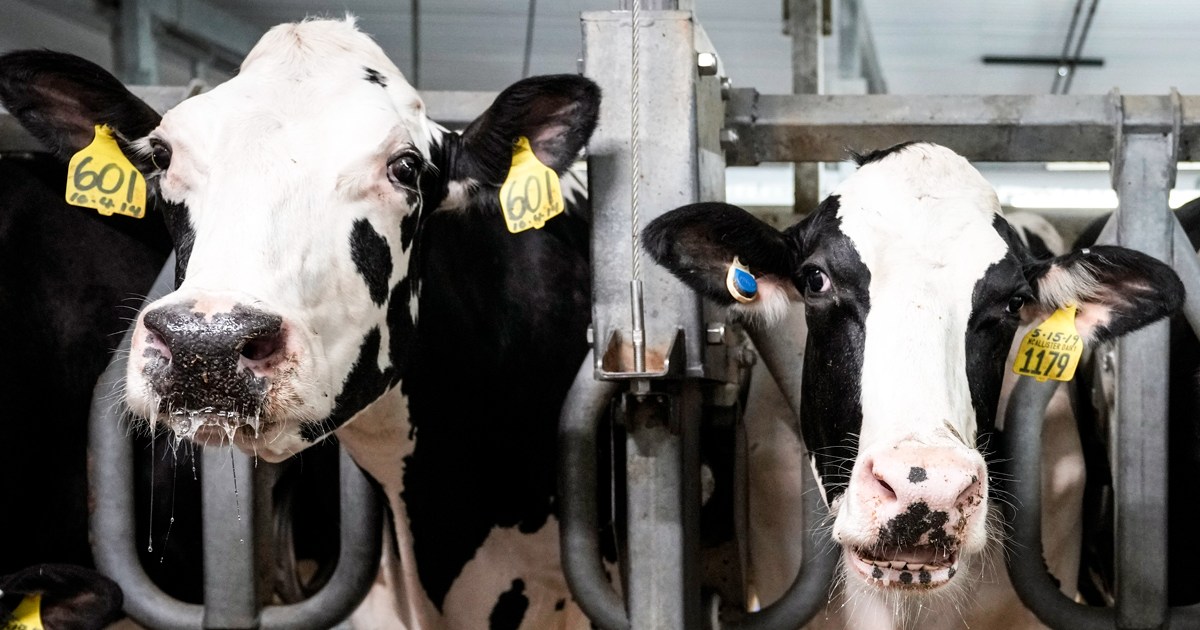
Bird Flu Virus Outbreak Concerns Scientists as Dairy Cows Infected Across the U.S.
In a recent development that has sparked concern among scientists, the H5N1 bird flu virus has been found to be infecting dairy cows across the United States. While the virus has not shown signs of spreading among humans, the Potential implications of the outbreak on the agricultural industry and public health have raised alarm bells.
Experts are closely monitoring the situation as reports of infected dairy cows continue to surface in various states. The H5N1 virus is known for its high mortality rate in birds and has the potential to evolve into a strain that can be transmitted to humans, leading to a possible public health crisis.
The U.S. Department of Agriculture (USDA) has issued guidelines for farmers and veterinarians on how to identify and contain the virus in dairy cows. The agency is working with local authorities to track and monitor the spread of the virus to prevent further outbreaks.
The outbreak of the H5N1 virus in dairy cows presents a unique challenge for public health officials and veterinarians. Unlike traditional avian flu outbreaks, the virus has shown an ability to infect mammalian species, raising concerns about the potential for cross-species transmission.
Scientists are conducting extensive research to understand the origins of the virus in dairy cows and to develop effective strategies for containment and prevention. The rapid spread of the virus among cattle has highlighted the need for vigilant surveillance and monitoring to prevent a widespread outbreak.
The agricultural industry is also on high alert as the H5N1 virus poses a significant threat to livestock and food production. Infected dairy cows can suffer from severe respiratory symptoms, decreased milk production, and high mortality rates, leading to economic losses for farmers.
Farmers are being advised to implement biosecurity measures to prevent the spread of the virus within their herds and to report any unusual symptoms in their animals to veterinary authorities. The timely detection and containment of the virus are crucial to preventing a large-scale outbreak in the dairy industry.
Public health officials are urging caution among consumers, emphasizing the importance of properly cooked meat and dairy products to reduce the risk of contracting the virus. While the likelihood of human transmission remains low, experts are closely monitoring the situation for any signs of mutation or increased virulence.
The H5N1 virus has a notorious reputation for its ability to cause severe illness in birds and has led to several outbreaks in poultry farms worldwide. The emergence of the virus in dairy cows adds another layer of complexity to the ongoing efforts to control its spread and prevent a potential pandemic.
The global health community is also closely monitoring the situation in the U.S. as the H5N1 virus continues to pose a threat to both animal and human health. International cooperation and information sharing are essential in addressing the challenges posed by the outbreak and developing effective strategies for containment.
As scientists continue to investigate the origins and transmission dynamics of the H5N1 virus in dairy cows, the importance of early detection and rapid response cannot be overstated. The collaboration between government agencies, researchers, and industry stakeholders is crucial in containing the spread of the virus and mitigating its impact on public health.
In light of the growing concerns surrounding the H5N1 virus outbreak in dairy cows, the USDA has allocated additional resources for surveillance, testing, and response efforts. The agency is working closely with state and local partners to coordinate a comprehensive approach to addressing the outbreak and protecting the agricultural sector.
The H5N1 virus is a reminder of the ever-present threat posed by zoonotic diseases and the need for proactive measures to prevent their emergence and spread. While the current outbreak in dairy cows has not resulted in human infections, the potential for the virus to adapt and evolve remains a cause for concern.
With the diligent efforts of scientists, veterinarians, and government agencies, the hope is to contain the spread of the H5N1 virus in dairy cows and prevent its transmission to humans. Continued vigilance and collaboration are essential in safeguarding public health and the agricultural industry from the potential impacts of the outbreak.
If you have any questions, please don't hesitate to Contact Me.
Back to Blog