
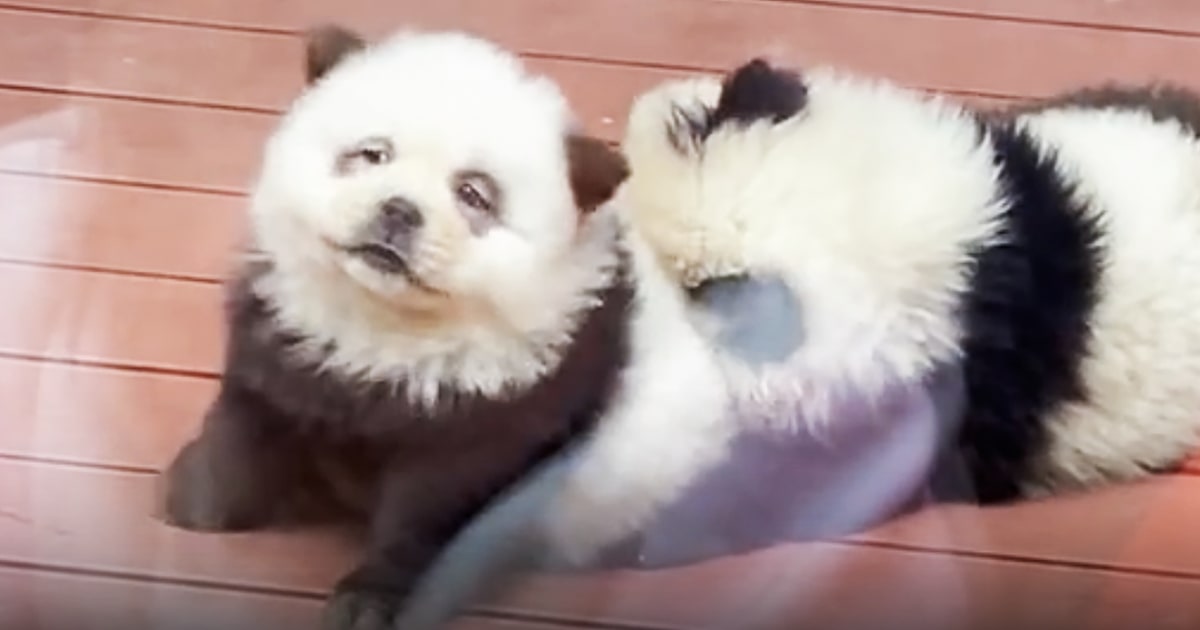
In the latest animal-related news from China, a new exhibit at a zoo has stirred up a buzz with the introduction of two adorable creatures dubbed as "panda dogs." However, it has been revealed that these so-called panda dogs are not what they seem. According to state media reports, the panda dogs are actually Chow Chows that have been creatively dyed in black and white to resemble the beloved giant pandas.
The revelation about the true identity of the panda dogs has sparked mixed reactions among animal lovers and conservationists. While some find the panda dog exhibit to be amusing and endearing, others have expressed concerns about the welfare and ethical implications of dyeing animals for entertainment purposes.
Zoo officials have defended their decision to showcase the panda dogs, stating that the aim is to provide visitors with a unique and engaging experience. They claim that the Chow Chows used in the exhibit are well-cared for and receive proper veterinary attention.
The panda dog exhibit has quickly become a popular attraction at the zoo, with visitors flocking to catch a glimpse of the cute and cuddly creatures. Many have taken to social media to share photos and videos of the panda dogs, further fueling the fascination surrounding them.
Despite the zoo's assurances about the well-being of the panda dogs, animal rights activists have raised concerns about the potential negative impact of such displays on animal welfare. Dyeing animals, they argue, can be stressful and harmful to the animals' health.
The debate over the panda dog exhibit highlights the complex and sometimes contentious relationship between humans and animals in the realm of entertainment and tourism. While zoos play a crucial role in conservation and education, they are also subject to scrutiny and criticism for their treatment of animals.
In recent years, there has been a growing trend towards more ethical and sustainable practices in the management of captive animals. Many zoos and wildlife parks have shifted their focus towards conservation efforts and promoting natural behaviors in their animal residents.
The panda dog controversy serves as a reminder of the importance of ethical Considerations in the treatment of animals in captivity. As public awareness and concern for animal welfare continue to grow, it is incumbent upon institutions like zoos to uphold high standards of care and respect for their animal inhabitants.
While the panda dogs may have captured the hearts of visitors with their panda-like appearance, it is crucial to remember that they are still living, breathing beings with their own needs and preferences. As we marvel at their cuteness, let us also reflect on the broader implications of using animals for human entertainment.
Moving forward, it will be essential for zoos and wildlife parks to strike a balance between providing engaging experiences for visitors and ensuring the well-being of their animal residents. By prioritizing the welfare of animals and adhering to ethical standards, zoos can continue to play a meaningful role in conservation and education.
As the panda dog exhibit continues to draw crowds and spark conversations, it is clear that the relationship between humans and animals will remain a complex and evolving issue. By approaching animal care and conservation with compassion and respect, we can create a more harmonious and sustainable future for all living beings.
If you have any questions, please don't hesitate to Contact Me.
Back to Blog